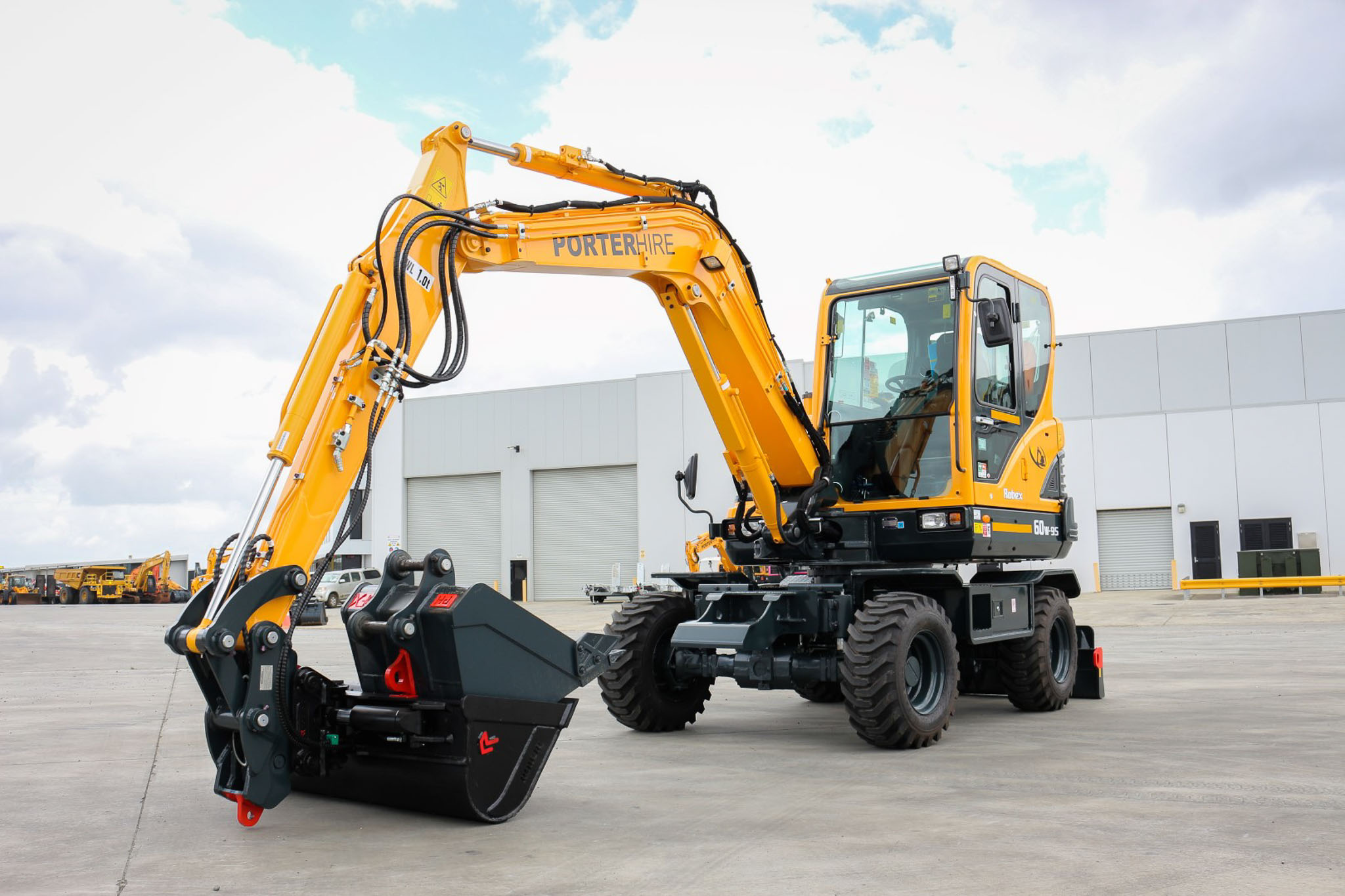
Many jobs are shifting into urban areas, and crews are dealing with tighter access, shorter deadlines, and demanding applications that need machines to move quickly between different tasks. The wheeled excavator offers the mobility, speed, and flexibility operators need when the day doesn’t follow a straight line.
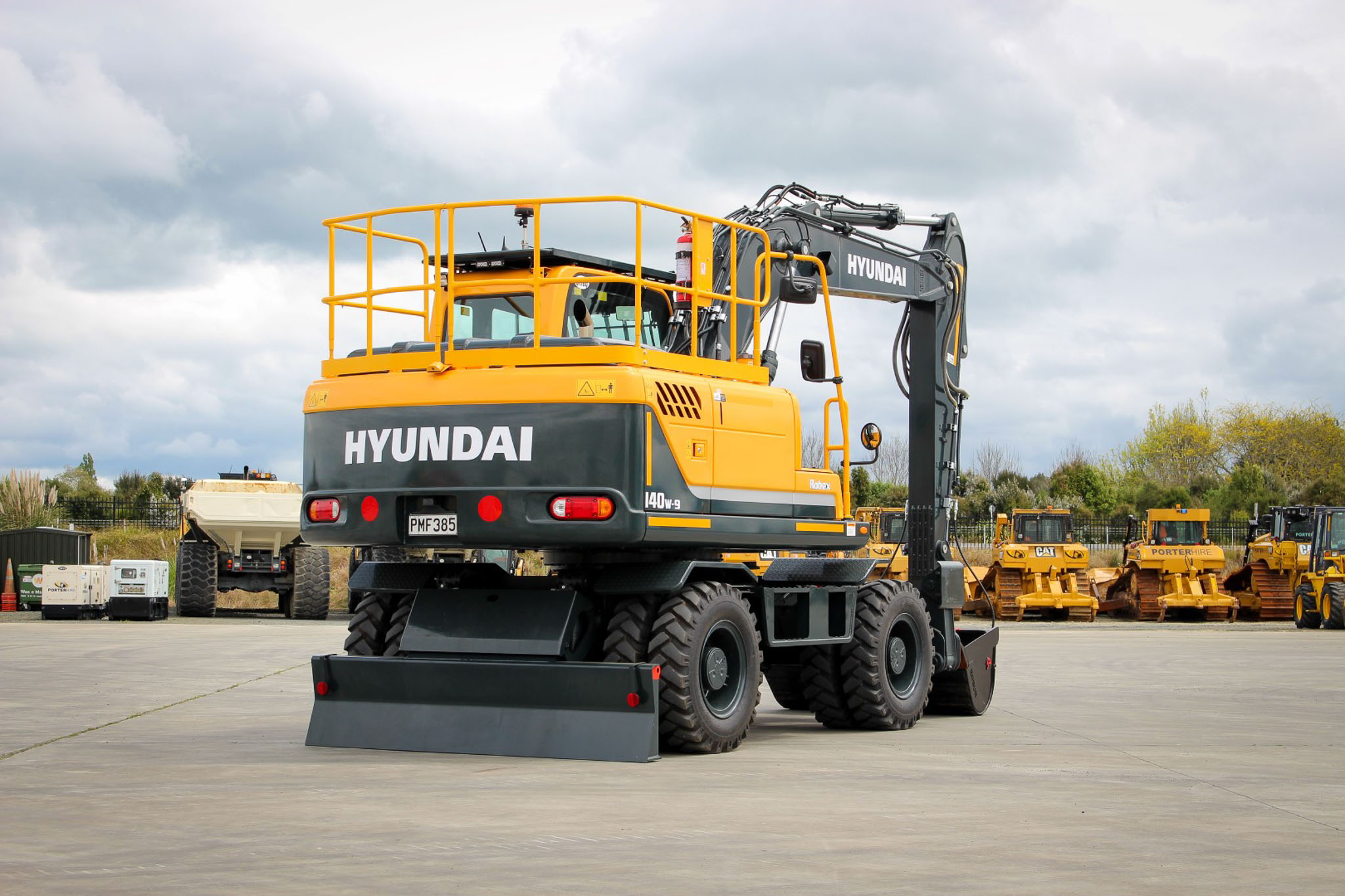
The construction industry has changed a lot in the past few years. Many jobs are shifting into urban areas, and crews are dealing with tighter access, shorter deadlines, and demanding applications that need machines to move quickly between different tasks.
That’s where the wheeled excavator comes in. It offers the mobility, speed, and flexibility operators need when the day doesn’t follow a straight line.
At Porter Group, we've supplied excavators to New Zealand contractors for decades. We’ve seen how wheels can completely reshape productivity on the right job sites. Here are 10 wheeled excavator benefits worth knowing:
Wheeled excavators can travel between locations without a float. This saves time and cuts transport costs. When your machine needs to move across multiple sites in a day, it's the wheels that literally keep the whole operation moving.
Wheels can manage areas where tracks struggle. For example, narrow streets, footpaths, easements, and other confined spaces. Their manoeuvrability makes them ideal for service work, small reinstatements, and maintenance in built-up environments.
Tyres are far gentler on asphalt and concrete. If you’re working in shopping areas, footpaths, schools, or commercial precincts, a wheeled excavator avoids the surface damage that tracked equipment can leave behind.
Jobs with multiple dig points, like short trenches and small cuts, are easier with wheels. A wheeled excavator can reposition quickly, keeping the operator working instead of crawling between points.
Most wheeled excavators don’t need a low-loader for everyday movement. This cuts transport costs straight away. It also means you can move between sites whenever you’re ready, without waiting for a truck.
Wheeled excavators work well with a wide range of attachments. For instance, buckets, grabs, and breakers. Switching between earthmoving attachments is quick and allows operators to move between different tasks without changing machines.
On sealed ground, wheels deliver a smoother ride with fewer vibrations. This makes a big difference on long shifts or jobs that require precision. For example, trimming edges or digging to exact depth measurements.
On hard surfaces, a wheeled excavator's movement is more predictable. When crews are working beside parked trucks, pedestrians, or live lanes, for example, wheels offer better positional control and clearer visibility.
Wheeled excavators are common models in the utility sector because they’re built for small digs, quick reinstatement, and material handling. Water, electrical, drainage, and council teams value a machine that can pack up and move within minutes.
If you don’t need deep excavation or heavy ground penetration, wheels tend to make more sense. They offer enough digging force and power for shallow trenching, reinstatement, and everyday civil work, with solid performance and low fuel consumption.
A wheeled excavator isn’t the answer for every job, but on the right sites it’s a clear advantage.
Porter Group supplies a full range of wheeled excavators and other heavy equipment, available new, used, or for short- and long-term hire.
We back every machine with local service, parts, and a wide selection of attachments, along with finance options to help you get the right setup for your work. Contact us today!