Choosing the right type of excavator is one of the best ways to boost the productivity of any excavation, construction, or civil project.
Choosing the right type of excavator is one of the best ways to boost the productivity of any excavation, construction, or civil project.
At Porter Group, we've been supplying heavy machinery to Kiwi contractors for over 80 years, making us one of the most experienced names in the industry. In this guide, we look at tracked excavators versus wheeled excavators and guide you toward the most suitable choice.
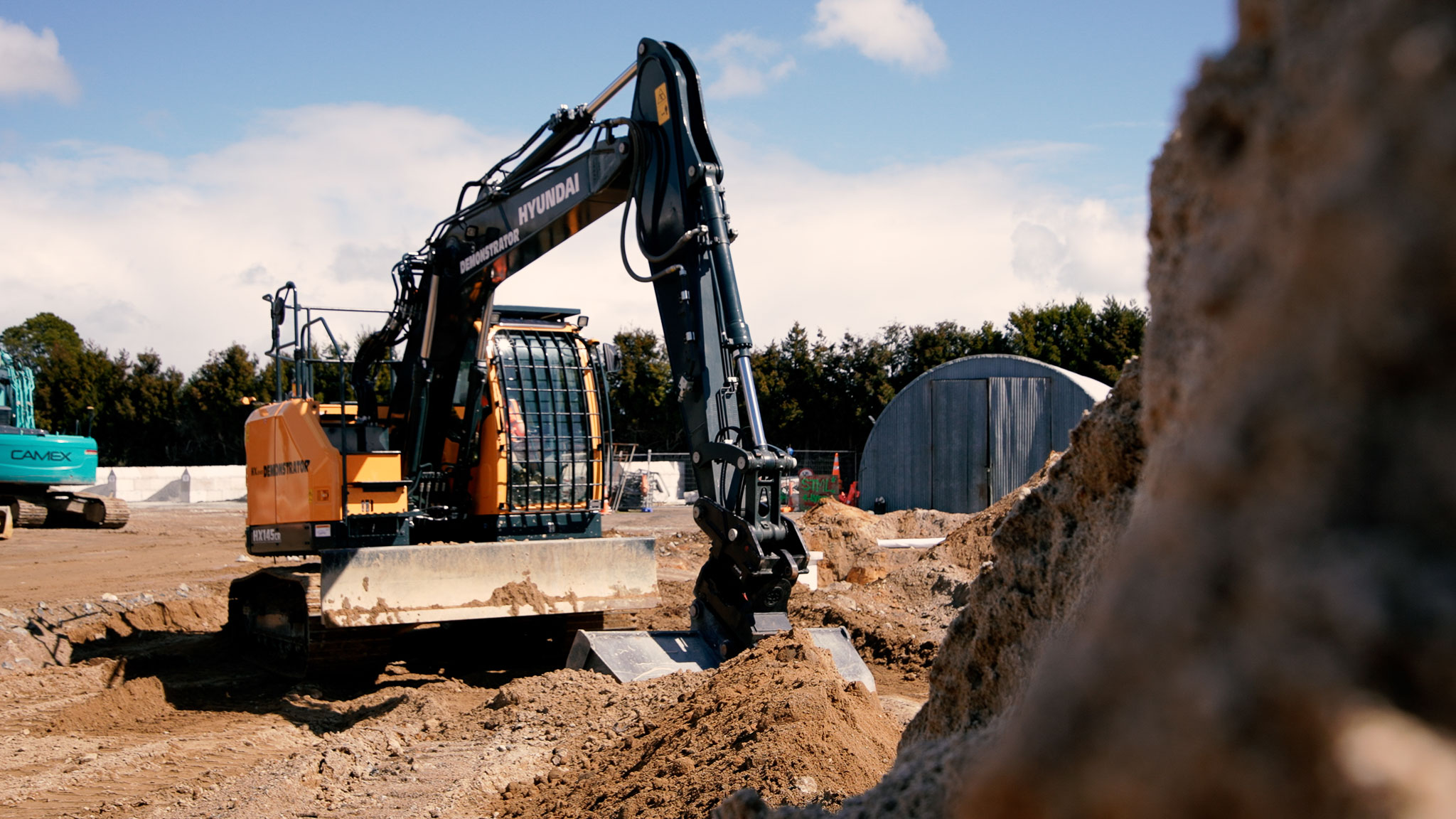
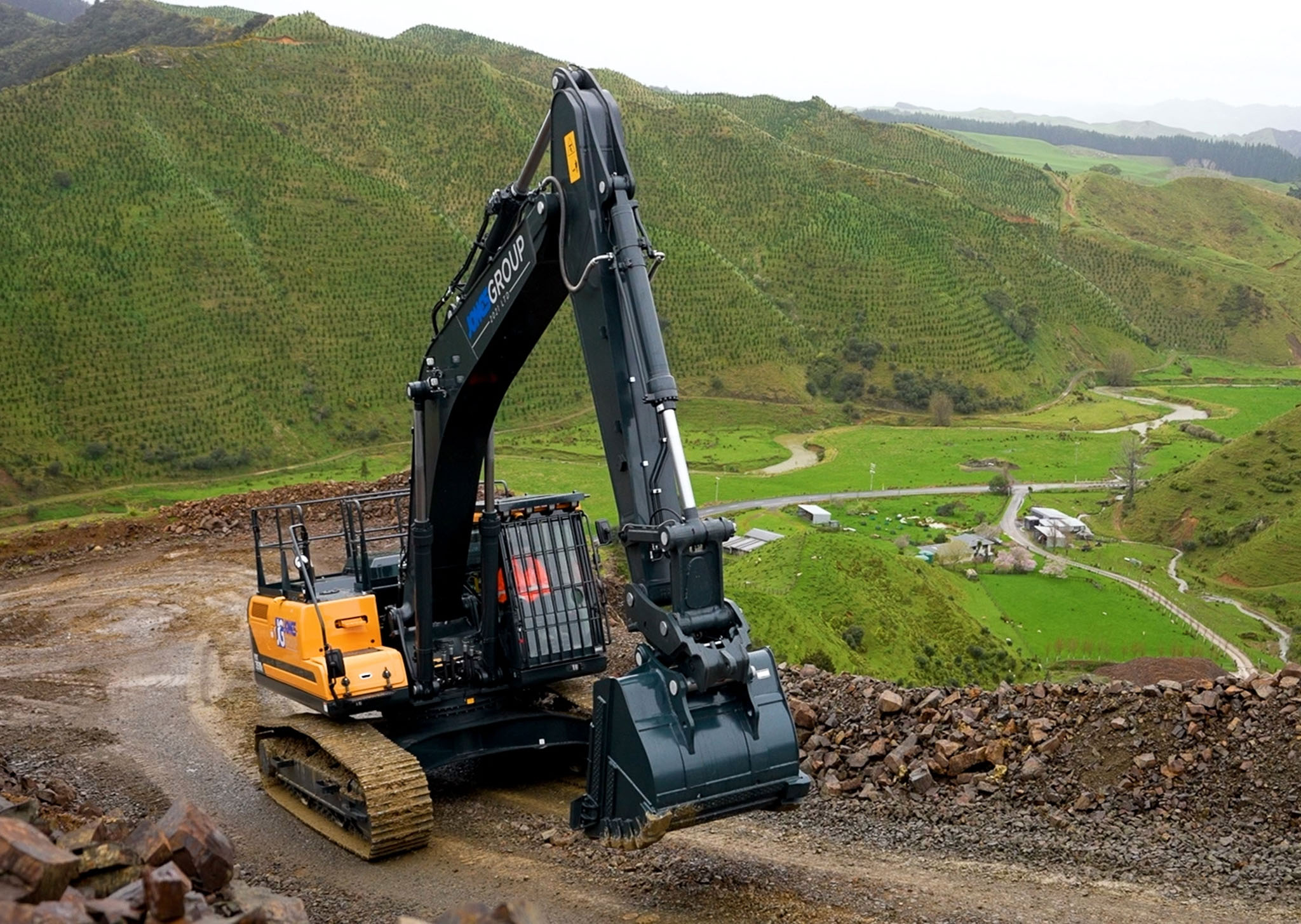
Tracked excavators, or crawler excavators, give operators the traction, stability, and digging power needed to work confidently on challenging ground.
Tracked excavators maintain excellent stability on uneven, sloped, or soft ground. Their wide tracks spread the weight, reduce sinking, and make them a great fit for earthworks, trenching, and civil jobs.
A tracked undercarriage is slow and not ideal on sealed surfaces or tight city sites. The trade-off is control. Tracked machines stay planted and predictable when digging, lifting, or placing material.
Tracked excavators deliver high digging power for trenching, bulk excavation, and lifting on rough terrain. Their balanced weight keeps them reliable when placing material on soft or uneven ground.
Tracks handle rugged terrain well and cope better with abrasive ground than tyres. The limitation is transport. Crawler excavators usually need float haulage between sites because of their slow speed.
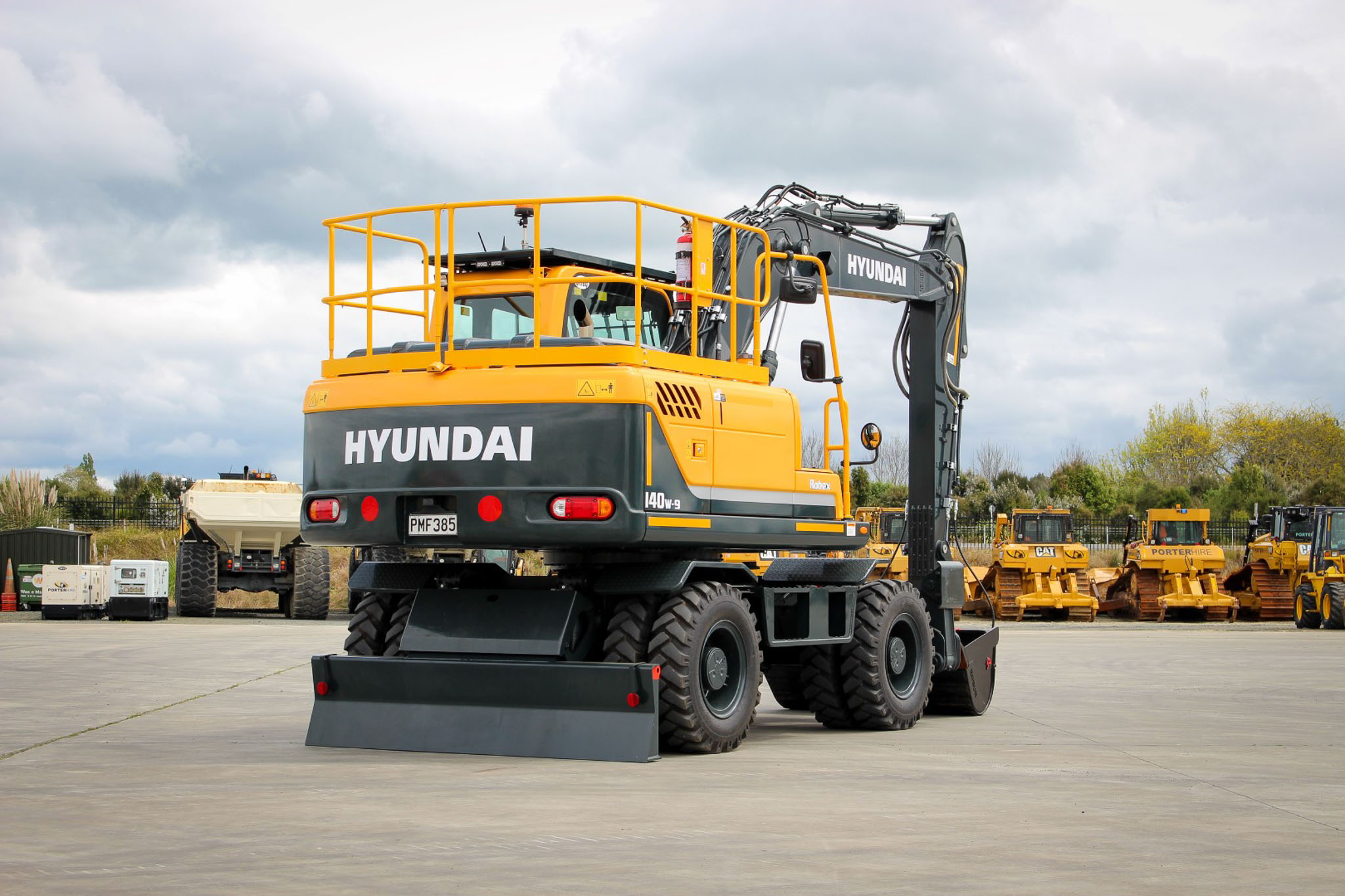
Wheeled excavators are built for mobility and speed, helping crews move and reposition fast on busy worksites.
Wheeled excavators do their best work on flat, firm ground. They travel smoothly on sealed surfaces, but can lose grip quickly on soft or uneven surfaces.
This is where wheeled excavators really shine. They move quickly on roads, can jump between jobs without hassle, and move into tight urban spaces with ease.
They’re great for utility work, roadside jobs, and any digging that needs control over brute force. Crews like them because they handle particularly well around traffic and other services.
Tyres wear out sooner than tracks. But transport is cheaper because you rarely need a float. They can cost more upfront, but the mobility usually saves time.
Essentially, both options work well. Which one works best comes down to your ground conditions and how your jobsite runs. Tracked excavators are a better fit when you need stability, digging to greater depth, or steady operation in rough terrain. Wheeled excavators win when speed, mobility, and efficiency matter more, and when your work is spread out across firm, stable surfaces.
It's also worth matching your lifting needs to the attachments and models you run, including the operating weight you’re working with. Tracks are the safer choice for heavy cuts, uneven terrain, or demolition. But if your work jumps between tasks or locations, a wheeled excavator’s on-road mobility and quick repositioning can increase productivity.
At Porter Group, we supply a full range of new, used, and hire excavators throughout New Zealand, from compact mini excavators to large machines built for major civil work.
We also support every machine with service, spare parts, various attachments, and finance, making us a true one-stop shop for keeping your operation moving.
Need help to choose the right machine? Contact us today!